
Why Editing Is More Than Just Cutting Footage
POSTED 09/18/2026 06:28PM
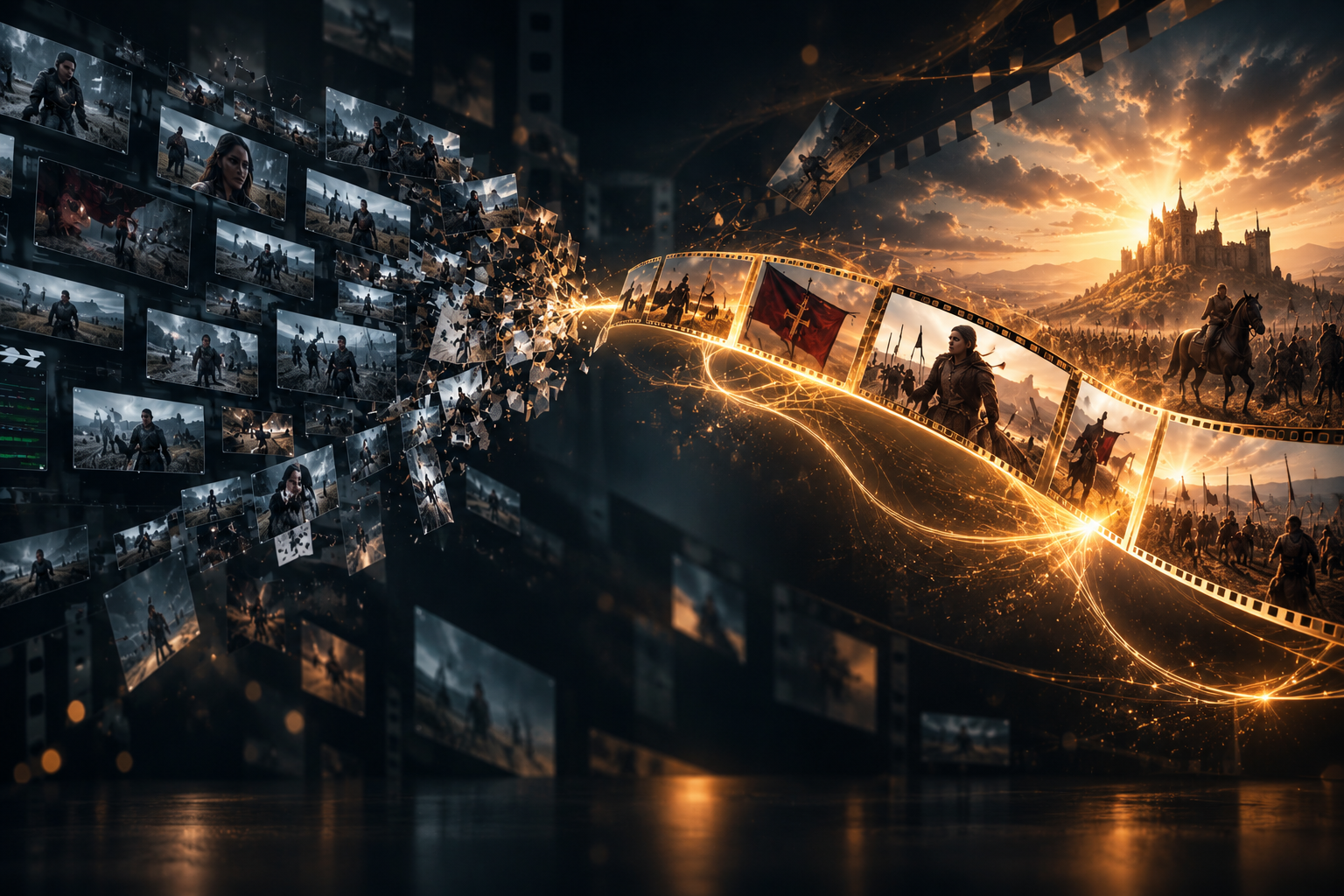
When people think about video editing, they often imagine a simple process: Take the footage, Cut the bad parts, Put the good shots together, ADD RANDOOM FX THEY LIKE, Add some music, Export.
In reality, professional video editing is much more than that. Editing is the process of turning raw material into a story. A camera can capture hundreds or even thousands of individual shots. The editor's job is to decide which moments matter, how they should be arranged, how long they should remain on screen, and how they should make the audience feel. The cuts are only part of the process.
1. Editing Starts With Understanding the Material
What was the intention behind the footage? Who are the people in it? What is the story? What moments are important? What was the camera operator trying to capture? What does the client actually want the audience to see? This is why professional editing can take considerably longer than the final video itself.
A 30-second commercial might require hours of footage to be reviewed before the final structure becomes clear. The editor isn't simply looking for "good shots." They're looking for useful moments.
2. Every Shot Has a Purpose
A shot can establish a location. Another can introduce a character. Another can reveal information. Another can create emotion. Another can simply provide a visual transition between two ideas. The best footage isn't necessarily the most beautiful footage. A spectacular shot that doesn't serve the story may be less useful than a simple shot that communicates exactly what the audience needs to understand. That's one of the biggest differences between assembling footage and actually editing.
3. Editing Controls Time
One of the most powerful things an editor controls is time. A real event might take several hours. A film can show it in ten minutes. A commercial can communicate an entire concept in thirty seconds. The editor decides what the audience experiences in real time and what gets compressed, skipped or expanded. A single cut can turn ten minutes into ten seconds. A reaction shot can make a moment feel longer. A quick sequence of cuts can create urgency. A long uninterrupted shot can create tension or allow an emotional moment to breathe. Editing is essentially the manipulation of time in service of the story.
4. Editing Controls Attention
The audience doesn't consciously think about where they should look. The edit helps make that decision for them. A close-up can direct attention toward a facial expression. A cut to an object can reveal important information. A sound can make the viewer anticipate the next shot. Movement can motivate a cut. Even the absence of a cut can be a creative decision. Good editing guides the viewer's attention without constantly reminding them that they're watching an edited video.
5. Editing Creates Emotion
Imagine the same footage edited in two completely different ways. One version uses long shots, minimal music and plenty of silence. The other uses rapid cuts, aggressive sound design and intense music. The footage hasn't changed. But the emotional experience can be completely different. That's the power of editing. The editor controls rhythm, anticipation, tension, release and emotional emphasis. Sometimes the edit makes a moment powerful. Sometimes it deliberately makes a moment uncomfortable. Sometimes the most effective decision is to hold the shot for another two seconds.
6. Sound Is Part of Editing
Editing isn't only visual. Sound is an enormous part of the process. Dialogue, music, ambience, sound effects and silence all influence how a sequence feels. A cut can happen because of a visual movement. But it can also happen because of a beat in the music, a door closing, a breath, a sound effect or a change in the dialogue. This is where editing starts to overlap with sound design. The image and sound should work together rather than being treated as two completely separate elements.
7. Editing Is Also About Removing Things
One of the hardest parts of editing is deciding what not to use. Clients often provide a lot of footage. They may have spent money filming everything. That doesn't mean everything needs to be in the final video. Sometimes removing a good shot makes the sequence better. Sometimes removing a line makes the interview stronger. Sometimes removing an entire scene improves the pacing. A professional editor needs to be comfortable throwing away material—even when that material looks great. The goal isn't to use everything you were given. The goal is to use what the story needs.
8. Editing Requires Technical Knowledge
Creative decisions are only one side of professional editing. An editor also needs to understand the technical side of production. That includes things like: Camera codecs, Frame rates, Resolution, LOG and RAW footage, Color management, Audio formats, Proxies and media management, Export specifications, Broadcast requirements, Social media delivery formats. You can have an incredible creative idea, but if the final file is technically wrong, the job isn't finished. Professional editing requires both creative judgment and technical competence.
9. Editing Changes Depending on the Project
There isn't one universal editing style. A feature film might require patience and subtlety. A commercial might need clarity, visual impact and precise timing. A social media video might need a strong hook within the first few seconds. A wedding film might be built around emotion and memory. A documentary may depend heavily on interviews and real-life moments. The editor needs to understand the purpose of the video before deciding how to edit it. The same editing technique can be brilliant in one project and completely wrong in another.
10. The Best Editing Is Often Invisible
One of the biggest compliments an editor can receive is: "I didn't even notice the editing." That doesn't mean the editing wasn't important. It means it worked. The audience was focused on the story, the characters, the message or the emotion—not on the transitions and effects. Good editing shouldn't constantly announce itself. It should support the content. Sometimes the most sophisticated editing is the editing you never notice.
10. So What Is Editing Really?
Editing is not simply cutting footage into smaller pieces. It's selection, structure, timing, rhythm, emotion, sound, visual language and storytelling. The editor takes hundreds of disconnected pieces of material and turns them into something that feels intentional. That's why two editors can receive exactly the same footage and create two completely different films. The software is the same. The footage is the same. But the decisions are different. And ultimately, that's what professional editing is about: Making the right decisions at the right moment.
What Makes a Good Video Editor?
POSTED 09/15/2026, 6:51PM
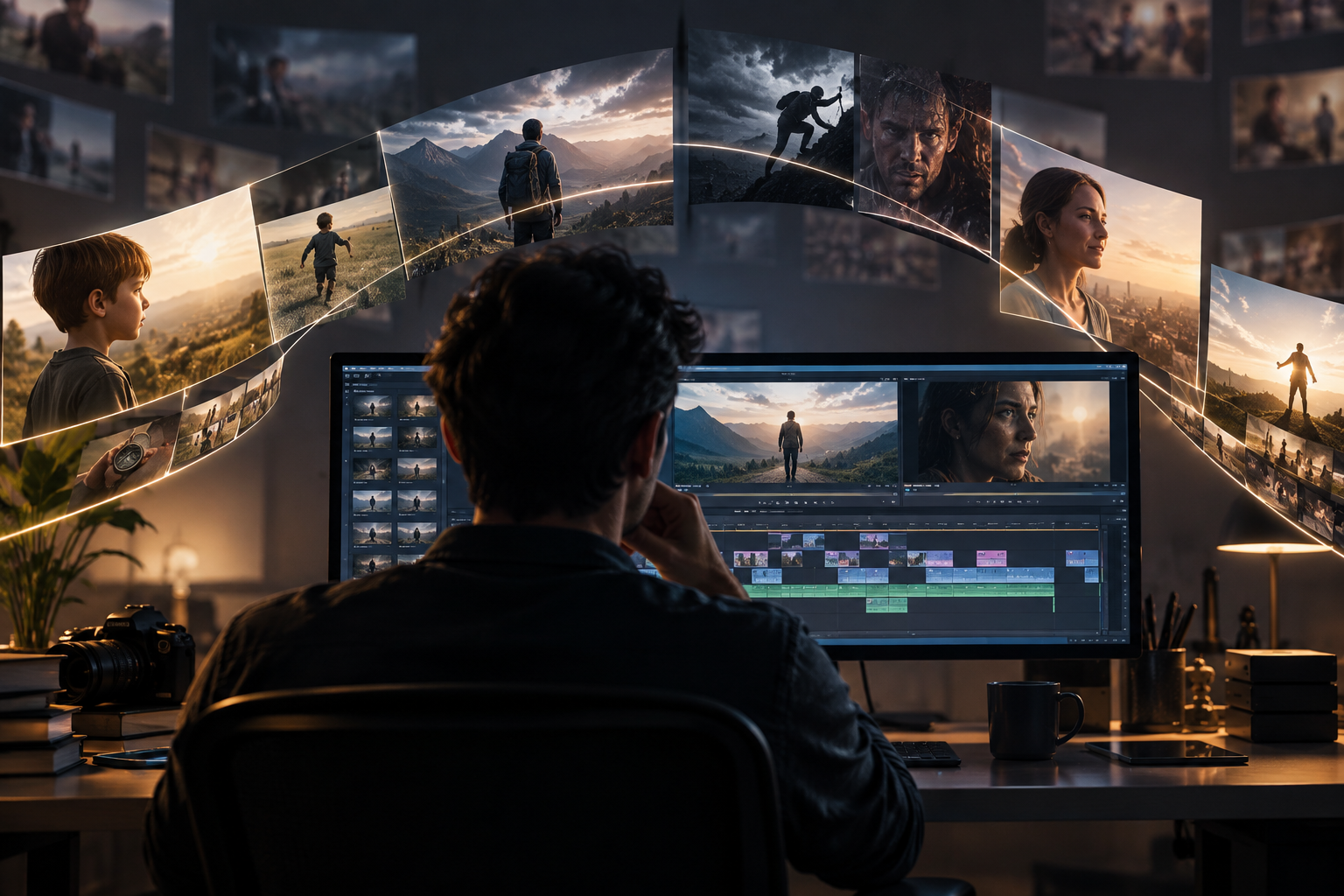
A good video editor is not simply someone who knows how to use Premiere Pro, DaVinci Resolve, Final Cut, or After Effects. Software is a tool. The real skill is knowing what to do with the footage. After more than 16 years working as a video editor, I’ve learned that the difference between an average editor and a great one has very little to do with how many effects they know.It comes down to storytelling, timing, taste, and understanding what the video is actually trying to achieve.
1. A Good Editor Understands Storytelling
Editing is storytelling. Even a 20-second Instagram Reel has a story. There is a beginning, a reason to keep watching, a development, and an ending. A commercial needs to communicate a message. A documentary needs to guide the audience through information. A film needs to create emotion and maintain tension. The editor's job is to make all of this work. Sometimes the best shot is not the shot you should use. Sometimes a technically imperfect shot creates a better emotional moment. And sometimes the most important editing decision is knowing what to remove.
2. Timing Is Everything You can have great footage, great music and great graphics — and still have a boring video. Why? Timing. Knowing when to cut is one of the most important skills an editor can develop. A cut that happens half a second too early can kill a moment. A cut that happens half a second too late can make the entire sequence feel slow. Good editors develop an instinct for this. They know when to let a shot breathe and when to move on. This becomes especially important with short-form content, where you may have only a few seconds to convince someone not to scroll away.
3. A Good Editor Knows When NOT to Edit
This is something that takes experience to learn. When you first start editing, it is tempting to constantly add something: Transitions, Zooms, Effects, Sound effects, Motion graphics, Speed ramps, The problem is that editing is not about showing how many techniques you know. Every cut should have a reason. Sometimes the strongest edit is simply two well-chosen shots placed next to each other. The audience should feel the story — not constantly notice the editor.
4. Technical Knowledge Matters — But It's Not Enough
Of course, technical skills are important. A professional editor needs to understand codecs, frame rates, resolution, color spaces, audio levels, exports, proxies, media management and delivery specifications. You need to know how to work with 4K and 6K footage, LOG footage, different cameras, mixed frame rates and complicated projects. You also need to understand color correction, audio cleanup, sound design and basic VFX. But technical knowledge alone doesn't make someone a good editor. You can have perfect technical skills and still produce a boring video.
5. A Good Editor Understands Sound
Sound is one of the most underestimated parts of video editing. People will often forgive an imperfect image. They rarely forgive terrible sound. Dialogue needs to be clear. Music needs to support the edit rather than fight with it. Sound effects can make a transition feel powerful or completely invisible. A great editor understands that sound can also control pacing. Sometimes you cut because of the music. Sometimes you cut because of a sound effect. Sometimes you deliberately remove the music completely because silence will create more impact.
6. A Good Editor Understands the Audience
You don't edit a wedding film the same way you edit a TikTok. You don't edit a luxury real estate commercial the same way you edit a horror film. The audience, platform and purpose determine the editing language. For short-form social content, the first seconds are critical. For a commercial, the message and brand are critical. For a film, emotion and storytelling may matter more than speed. A good editor asks: Who is watching this? Why should they care? What do we want them to feel or do after watching it? Those questions should influence every editing decision.
7. A Good Editor Has Taste
This is probably the hardest skill to teach. You can learn keyboard shortcuts. You can learn After Effects. You can learn color grading. You can learn motion graphics. But developing good visual and storytelling taste takes years. Taste comes from watching films, commercials, documentaries, music videos, photography and other forms of visual storytelling. It comes from understanding what looks intentional and what looks generic. And it comes from knowing when something is too much.
8. A Good Editor Can Work With Imperfect Footage
Real-world footage isn't always perfect. The camera operator may have missed a shot. The exposure might be inconsistent. The audio might have problems. There might be too much footage. There might not be enough footage. Clients rarely give you exactly what you imagined when you started the project. A good editor doesn't simply complain about the footage. They find solutions. That's where experience becomes extremely valuable.
9. A Good Editor Understands the Client's Goal
The editor isn't editing for themselves.
A beautiful sequence is worthless if it doesn't solve the client's problem. A brand might want sales. A real estate company might want leads. A filmmaker might want an emotional reaction. A YouTuber might want retention. A wedding couple might want to relive a specific feeling. The editor needs to understand the objective before making creative decisions.
10. A Good Editor Is Reliable
This one isn't glamorous, but it matters. Creative talent is important. Reliability is just as important. Meeting deadlines. Keeping projects organized. Naming files correctly. Backing up footage. Communicating clearly. Following briefs. Handling revisions professionally. Being able to deliver when promised. These things are part of being a professional editor. So, What Actually Makes a Great Video Editor? It's not Premiere Pro. It's not After Effects. It's not the latest AI tool. It's not the number of plugins installed on your computer. A great video editor combines technical knowledge, storytelling, timing, sound, visual taste, creativity and professional discipline. Technology changes constantly. Editing software changes. Cameras change. AI changes. Platforms change. But the fundamentals remain the same: Tell the story, Keep the audience engaged, Make every cut matter. And most importantly: Know why you are making the cut in the first place. That's what separates someone who can edit video from someone who can truly edit.